

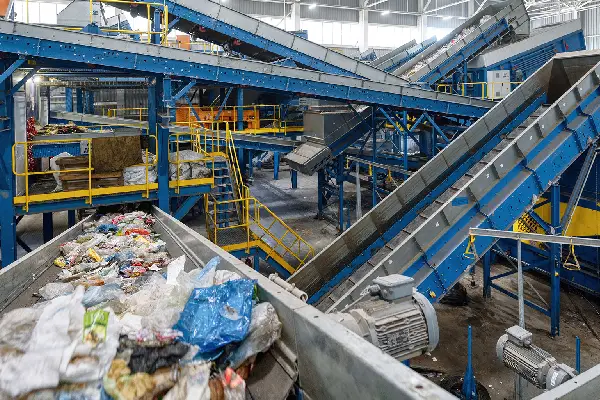
Circular Economy in India: The Future of Sustainable Growth
India is rapidly moving toward a more sustainable and resource-efficient future. One of the key concepts driving this shift is the circular economy, a system where waste is minimized, and materials are reused, recycled, and reintegrated into production cycles.
In contrast to the traditional linear economy—where products are made, used, and discarded—the circular economy in India focuses on reducing waste and maximizing the lifecycle of resources. This approach is becoming increasingly important, especially in industries dealing with plastic and packaging.
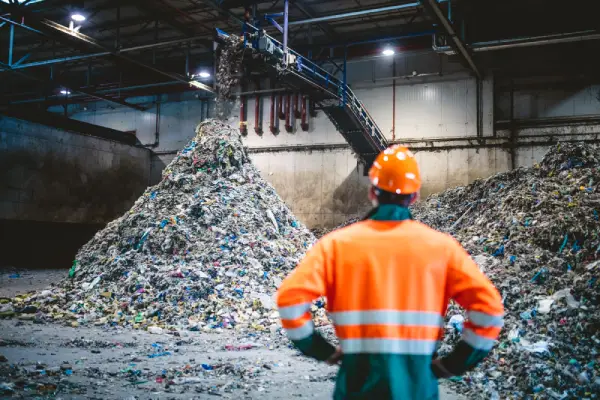
What is Circular Economy?
A circular economy is a model designed to eliminate waste and promote the continuous use of resources. Instead of disposing of materials after use, they are recycled and reused to create new products.
Key principles include:
- ✔ Reducing waste generation
- ✔ Reusing materials wherever possible
- ✔ Recycling products into new raw materials
- ✔ Extending the lifecycle of resources
This model helps reduce environmental impact while improving economic efficiency.
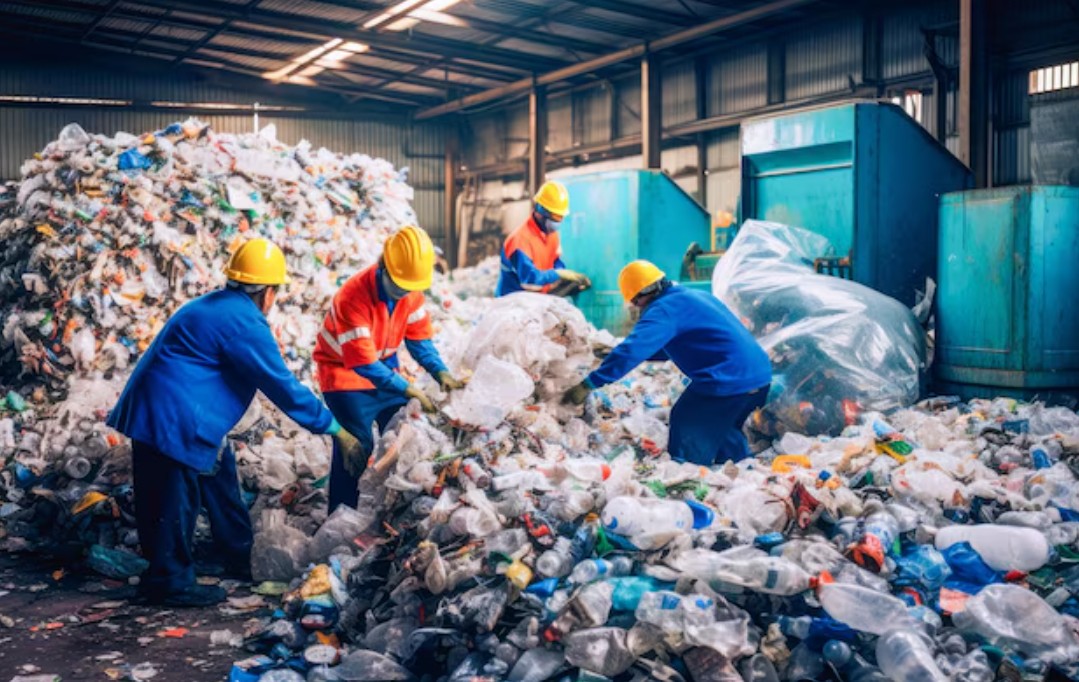
Circular Economy in India: Current Scenario
India is witnessing a growing shift toward circular practices, driven by government policies, industry awareness, and environmental concerns.
Key drivers include:
- EPR (Extended Producer Responsibility) regulations
- Increasing focus on sustainability and ESG goals
- Rising awareness among businesses and consumers
- Demand for recycled materials in manufacturing
Industries such as FMCG, packaging, and manufacturing are actively adopting circular economy practices to remain compliant and competitive.
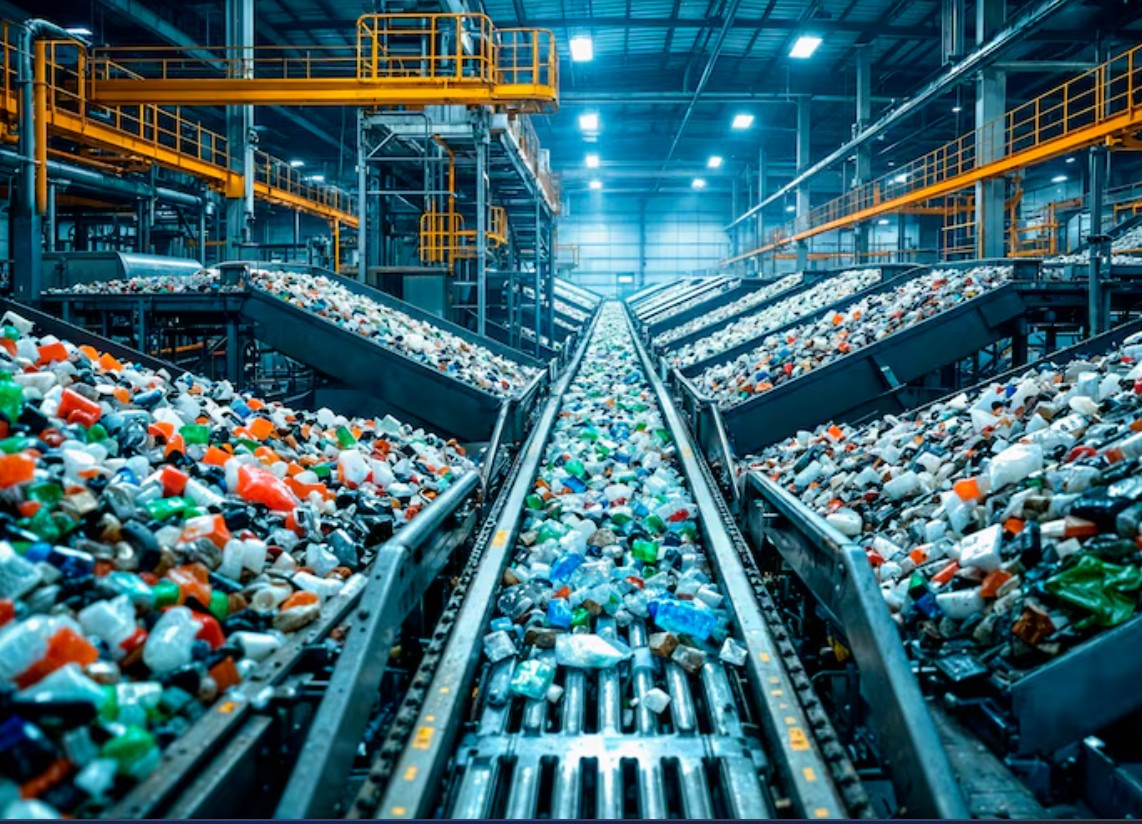
Role of Plastic Recycling in Circular Economy
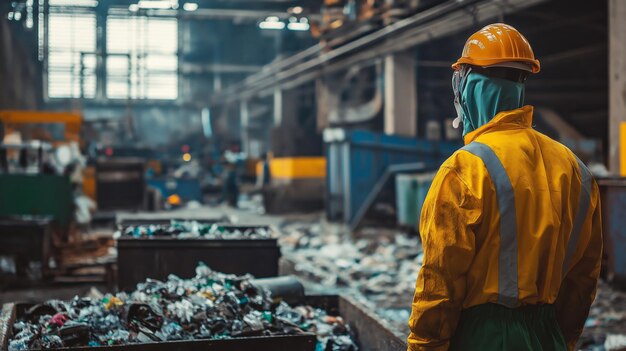
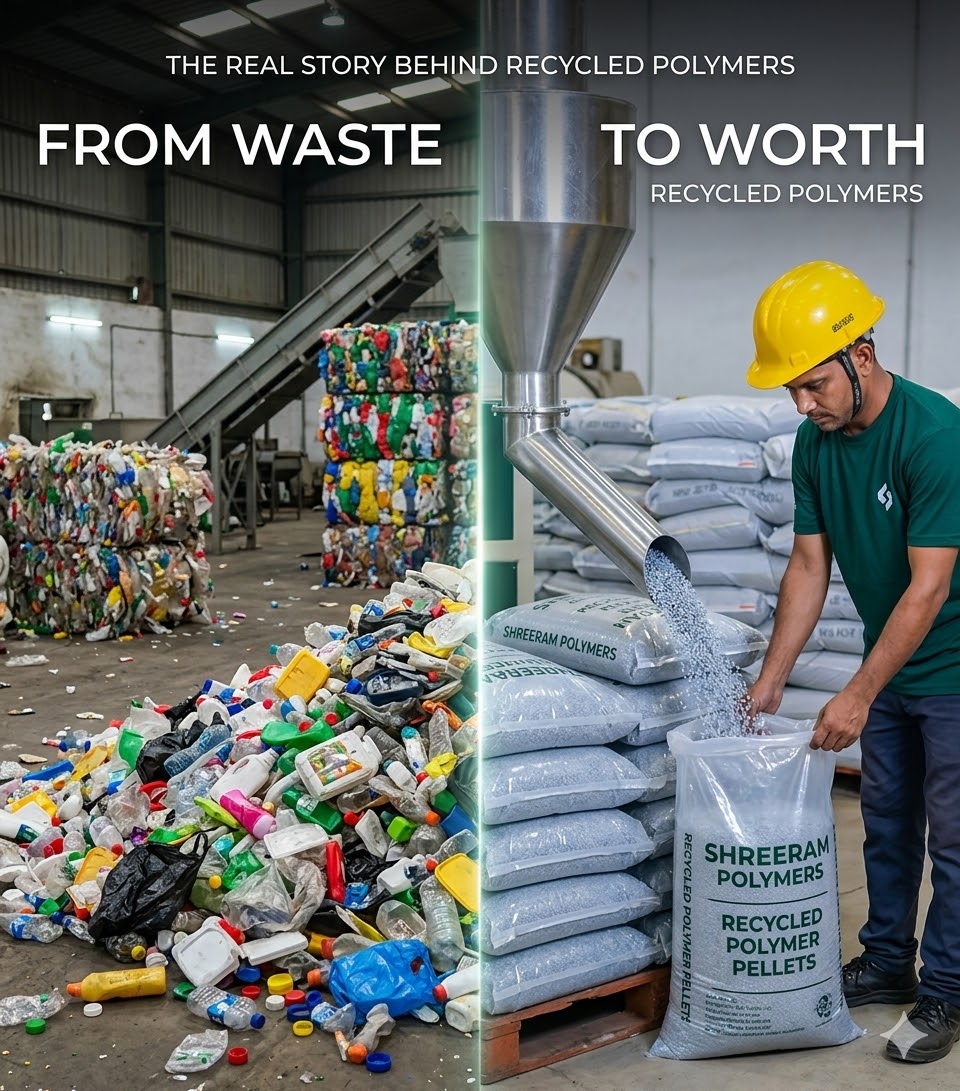
Plastic recycling plays a central role in building a circular economy. Instead of allowing plastic waste to end up in landfills, recycling converts it into reusable raw materials.
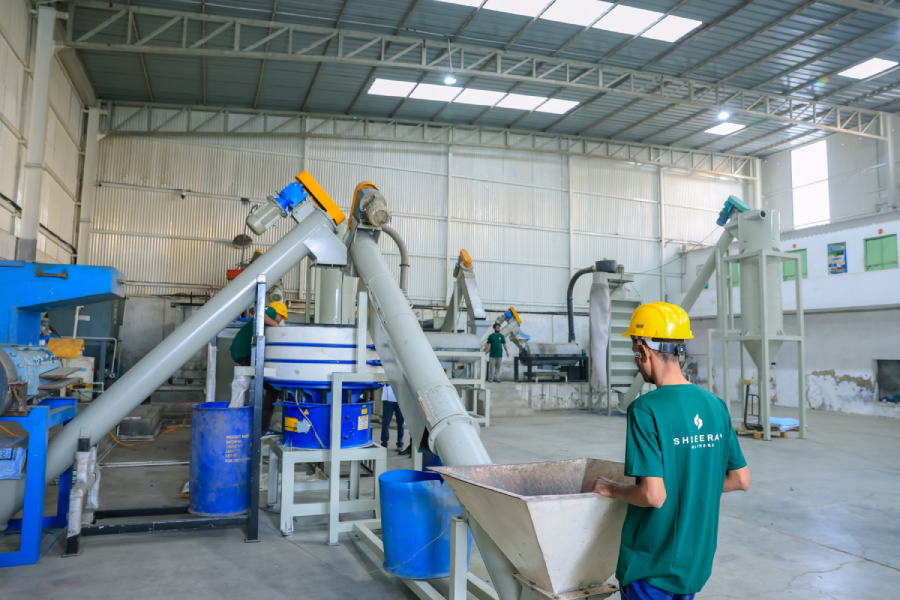
At Shreeram Polymers, we contribute to the circular economy by transforming plastic waste into high-quality recycled granules (PCR materials) used in manufacturing.
This process helps:
- Reduce plastic pollution
- Lower dependence on virgin plastic
- Create sustainable raw material supply chains
- Support responsible industrial growth
Plastic recycling is one of the most effective ways to implement circular economy practices in India.
Benefits of Circular Economy in India
🔹 Environmental Benefits
- Reduced landfill waste
- Lower carbon emissions
- Conservation of natural resources
🔹 Economic Benefits
- Cost savings through material reuse
- New business opportunities in recycling
- Increased efficiency in production systems
🔹 Business Benefits
- Compliance with environmental regulations
- Improved brand reputation
- Alignment with global sustainability standards
For companies, this is not just a trend—it is a strategic advantage.
Challenges in Implementing Circular Economy
- Lack of proper waste segregation systems
- Limited awareness in smaller industries
- Inconsistent supply of recyclable materials
- Need for advanced recycling infrastructure
However, with increasing investment and policy support, these challenges are gradually being addressed.
How Businesses Can Adopt Circular Practices
- ✔ Partner with certified recycling companies
- ✔ Use recycled materials like PCR granules
- ✔ Implement waste management systems
- ✔ Ensure compliance with EPR regulations
- ✔ Optimize packaging for recyclability
At Shreeram Polymers, we help industries adopt circular practices by providing reliable recycling and material solutions.
The Way Forward
The future of manufacturing in India depends on sustainable practices. As industries continue to grow, adopting a circular economy will be essential for long-term success.
Companies that integrate recycling, reuse, and responsible resource management into their operations will not only reduce environmental impact but also gain a competitive edge.
Build a Sustainable Future
The circular economy in India is no longer optional—it is the future of sustainable industrial growth.
By embracing recycling and responsible resource management, businesses can transform waste into opportunity and contribute to a cleaner, more efficient economy.
Shreeram Polymers remains committed to supporting this transition by delivering reliable recycling solutions and sustainable materials for modern industries.
FAQ
What is circular economy in India?
It is a system where materials are reused, recycled, and reintegrated into production to reduce waste and improve sustainability.
Why is circular economy important for plastic industry?
It helps reduce plastic waste, lowers environmental impact, and supports sustainable manufacturing.
How does plastic recycling support circular economy?
Recycling converts plastic waste into reusable materials, reducing dependence on virgin resources.
What industries benefit from circular economy?
FMCG, packaging, manufacturing, and industrial sectors benefit the most.
How can businesses adopt circular economy practices?
By using recycled materials, managing waste efficiently, and partnering with recycling companies.