

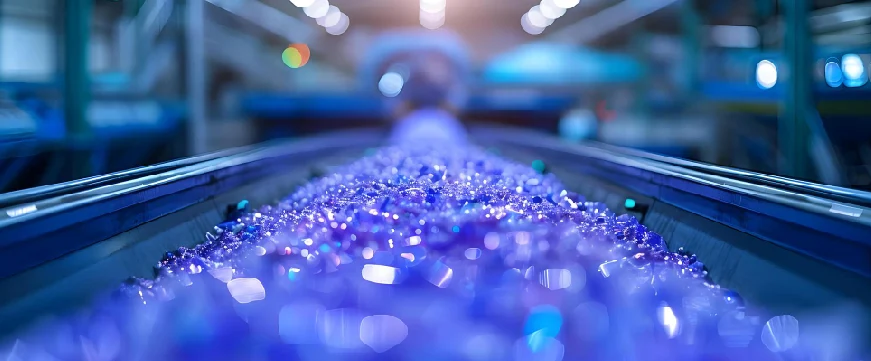
The manufacturing industry is undergoing a major transformation as businesses worldwide focus on sustainability, resource efficiency, and responsible production. Among the many innovations shaping this change, high-quality reprocessed polymers are becoming one of the most important solutions for reducing plastic waste while maintaining product performance. Companies are now moving beyond traditional plastic manufacturing and adopting recycled polymer materials that support both environmental goals and industrial requirements.
Shreeram Polymers is contributing to this sustainable movement by providing reliable reprocessed polymer solutions designed for modern manufacturing needs. With advancements in recycling technology, reprocessed polymers are no longer considered a lower-quality alternative. Instead, they are becoming a valuable material choice for industries seeking performance, consistency, and sustainability.
Growing Demand for Sustainable Polymer Solutions
Plastic remains one of the most widely used materials across industries such as packaging, automotive, construction, consumer goods, and electronics. However, increasing concerns about plastic waste and environmental impact have encouraged manufacturers to explore better alternatives.
High-quality reprocessed polymers help industries reduce their dependence on virgin plastic while supporting circular economy practices. These materials are produced by collecting, processing, and refining used plastics into reusable polymer granules that can be used in new manufacturing applications.
As sustainability regulations become stricter and customers demand environmentally responsible products, the demand for recycled polymer materials is expected to grow significantly in the coming years.
Advancements in Recycling Technology
The future of reprocessed polymers is strongly connected to technological improvements in recycling processes. Modern recycling methods are helping manufacturers achieve better material quality, improved consistency, and enhanced performance.
Advanced sorting systems, improved cleaning techniques, and better processing technologies allow recycled plastics to achieve properties closer to virgin materials. These developments are making reprocessed polymers suitable for demanding applications where strength, durability, and reliability are essential.
Manufacturers are now able to use recycled polymers for a wider range of products without compromising quality. This shift is opening new opportunities for industries looking to integrate sustainable materials into their production processes.
High-Quality Reprocessed Polymers in Manufacturing Applications
One of the biggest advantages of reprocessed polymers is their versatility. These materials can be used across multiple industries for manufacturing different products.
In the packaging industry, recycled polymers are used to create bottles, containers, films, and other packaging solutions. In automotive manufacturing, they support the production of durable components while reducing material costs and environmental impact.
Construction industries are also adopting recycled polymers for pipes, sheets, and other applications that require strength and long-term performance. Consumer product manufacturers are increasingly using recycled materials to meet sustainability goals and create eco-friendly products. With continuous innovation, the application areas of high-quality reprocessed polymers will continue to expand.
Environmental Benefits of Reprocessed Polymers
The environmental advantages of recycled polymers make them an important part of sustainable manufacturing. Using reprocessed polymers helps reduce plastic waste that would otherwise end up in landfills or pollute natural environments.
Recycling plastics also helps conserve valuable resources by reducing the need for new raw materials. It supports energy savings, lowers carbon emissions, and encourages a more responsible approach to plastic usage. For manufacturers, adopting recycled polymers is not only an environmental decision but also a step toward building a future-ready business model.
The Role of Quality Control in Recycled Polymer Production
The success of reprocessed polymers depends heavily on quality control. Manufacturers require materials with consistent properties to ensure smooth production and reliable end products. A professional recycling process includes careful material selection, advanced processing, testing, and quality monitoring. This ensures that recycled polymer granules meet industry expectations and perform effectively in different applications.
Companies like Shreeram Polymers focus on delivering dependable recycled polymer solutions by maintaining quality standards throughout the production process. Consistency and reliability are key factors that will define the future growth of recycled plastics in manufacturing.
The Future Outlook for Reprocessed Polymers
The future of high-quality reprocessed polymers looks promising as industries continue to prioritize sustainability and innovation. Businesses are expected to increase their use of recycled materials as technology improves and awareness grows.
Government initiatives, environmental commitments, and changing consumer preferences will further encourage manufacturers to adopt circular solutions. The transition from a traditional “use and dispose” model toward a recycling-based economy will create new opportunities for polymer manufacturers and industrial users.In the coming years, recycled polymers will become an essential part of modern manufacturing strategies, helping companies achieve both sustainability targets and operational efficiency.
Conclusion
High-quality reprocessed polymers are shaping the future of sustainable manufacturing by offering a practical solution to plastic waste challenges. With improved recycling technologies, strong quality control, and growing industrial demand, recycled polymers are becoming a preferred choice for businesses worldwide.
Shreeram Polymers continues to support this sustainable future by providing efficient and reliable polymer solutions that help industries reduce environmental impact while maintaining manufacturing performance. As the world moves toward a circular economy, reprocessed polymers will play a vital role in creating a cleaner, smarter, and more sustainable manufacturing future.