

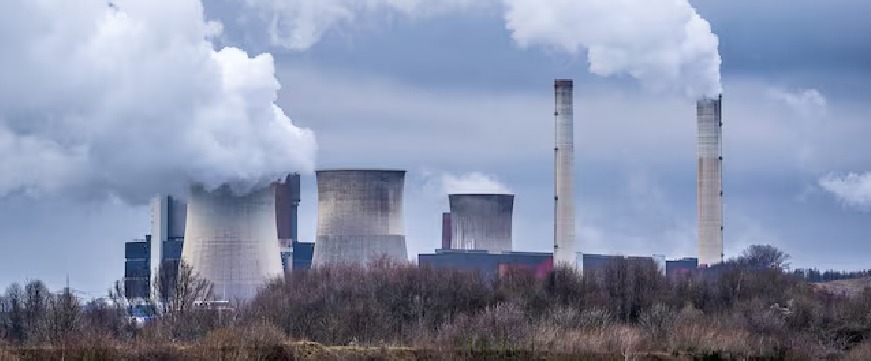
Industrial growth is essential for economic development, infrastructure expansion, employment, and technological progress. However, manufacturing activities also generate significant quantities of discarded materials that require responsible management. When potentially useful resources are poorly handled or unnecessarily disposed of, they can contribute to environmental pressure. Material recovery systems offer industries a practical way to retain resource value while improving waste management practices.
For Shreeram Polymers, responsible polymer resource recovery demonstrates how suitable plastic materials can be collected, processed, and returned to productive applications. By treating recoverable materials as valuable resources, industries can reduce unnecessary disposal and build more efficient production systems.
Material Recovery and Its Role in Reducing Industrial Pollution
Understanding Material Recovery
Material recovery involves identifying useful materials within industrial or post-use waste streams and preparing them for another productive lifecycle. Plastics, metals, paper, glass, and other resources can potentially be recovered depending on their condition and composition.
Effective waste stream segregation is the foundation of this process. Separating materials correctly helps prevent contamination and allows processors to direct different resources toward appropriate recovery channels.
For plastics, recovery may involve sorting, washing, shredding, filtration, extrusion, and further processing.
Reducing Unnecessary Waste Disposal
When recoverable materials are discarded without segregation, their remaining economic and functional value is lost. Organized industrial waste recovery helps divert suitable resources toward processing facilities instead.
This approach can reduce the quantity of recoverable material entering disposal streams. It also encourages manufacturers to examine their production waste more carefully and identify opportunities for improved resource utilization.
Better recovery practices therefore connect environmental responsibility with operational efficiency.
Preventing Plastic Leakage
Poorly managed plastic waste can escape formal collection systems and enter surrounding environments. Improving plastic waste management helps industries establish clearer pathways for collection, storage, segregation, transportation, and processing.
Organized recovery reduces the possibility that suitable plastics will remain unmanaged. Creating dependable plastic recovery channels also helps connect waste generators with processors capable of preparing materials for further industrial use.
This structured approach strengthens overall waste accountability.
Extending the Lifecycle of Materials
Producing industrial materials requires resources and energy. Discarding materials after a single use can eliminate value that may still remain within them.
Through material lifecycle extension, recovered resources can be processed and used again where technically appropriate. For suitable plastics, this can involve converting cleaned and processed material into secondary polymer feedstock for selected manufacturing applications.
Keeping resources productive for longer supports more efficient material consumption.
Supporting Closed Material Loops
Traditional production systems frequently follow a linear pattern: resources enter manufacturing, products are created, and materials eventually become waste. Recovery enables industries to move toward closed-loop material systems.
In these systems, recoverable resources are redirected into productive processes instead of automatically leaving the economic cycle. This encourages circular resource flows across manufacturers, waste generators, collection networks, processors, and material users.
Such cooperation can gradually reduce avoidable material losses throughout industrial supply chains.
Improving Processing Through Better Segregation
The quality of recovered materials depends heavily on what enters the processing facility. Mixed or contaminated waste streams can make recycling more difficult and may reduce the usefulness of resulting materials.
Better source segregation practices allow different polymer types and other materials to be managed separately. Cleaner inputs can improve washing efficiency, filtration, extrusion stability, and finished material consistency.
This demonstrates why responsible recovery must begin at the point where waste is generated.
Technology Strengthens Recovery Operations
Modern equipment is helping processors manage recovered resources more effectively. Advanced sorting, controlled washing, shredding, extrusion, and melt filtration technology can improve the cleanliness and uniformity of processed plastics.
Process monitoring and recycled material testing can further help evaluate characteristics such as density, moisture, melt behaviour, and contamination.
Technology therefore supports both resource recovery and improved quality management.
Reducing Demand for Additional Resources
Recovered materials can complement conventional raw materials in applications where their technical characteristics are suitable. This creates opportunities for improved raw material efficiency across manufacturing operations.
Greater use of appropriately processed secondary resources can help businesses extract more value from materials already circulating within the economy.
This approach promotes resource conservation while providing manufacturers with additional material sourcing possibilities.
Strengthening Industrial Responsibility
Environmental performance increasingly influences how companies manage suppliers, operations, materials, and waste. Establishing clear responsible waste management procedures can help businesses understand where discarded materials go and how they are processed.
Better material traceability can provide additional visibility across recovery networks. Businesses can document material movement, evaluate processing partners, and identify areas where waste management can be improved.
Transparency encourages stronger accountability throughout industrial ecosystems.
Creating Economic Value From Recovered Resources
Material recovery is not solely an environmental activity. It can also create economic opportunities across collection, segregation, logistics, processing, testing, and manufacturing.
Transforming discarded plastics into reprocessed polymer materials allows resources with remaining value to re-enter industrial supply networks. This creates stronger connections between waste management and manufacturing.
As recovery infrastructure develops, materials previously considered liabilities can become productive resources.
Building Cleaner Industrial Systems
Reducing industrial pollution requires coordinated action across material selection, production efficiency, waste segregation, recovery, processing, and responsible disposal. Material recovery addresses an important part of this challenge by keeping suitable resources within productive use.
Shreeram Polymers supports this transition through responsible polymer processing, recovered material utilization, and systematic resource management. By transforming suitable plastic streams into usable materials, the company helps extend resource lifecycles and reduce avoidable disposal.
As industries continue expanding, effective recovery systems will become increasingly valuable. Combining better segregation, modern processing, traceability, and resource-efficient manufacturing can help businesses reduce waste pressure while maintaining productive growth. Material recovery therefore represents an important pathway toward cleaner, more responsible, and more resilient industrial development.