

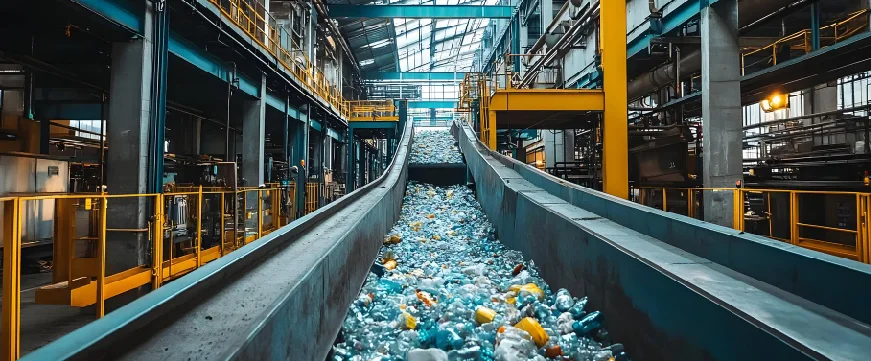
Infrastructure development is one of the most important drivers of economic growth, supporting cities, industries, transportation systems, and communities. As construction and infrastructure projects continue to expand, the demand for durable and reliable materials is increasing. At the same time, industries are facing growing pressure to reduce environmental impact and adopt more sustainable practices.
Reprocessed materials are becoming an important solution for modern infrastructure projects by providing sustainable alternatives to traditional raw materials. These materials help reduce waste, improve resource efficiency, and support the development of environmentally responsible infrastructure.
Shreeram Polymers is contributing to this sustainable transformation by providing high-quality reprocessed polymer solutions that help industries integrate recycled materials into various applications while maintaining performance and reliability.
Growing Need for Sustainable Infrastructure Solutions
Infrastructure projects require large amounts of materials for construction, manufacturing, and development activities. Traditional material production often depends on extracting new resources, which can increase environmental impact and resource consumption.
As sustainability becomes a major focus worldwide, industries are looking for ways to reduce their dependence on virgin materials. Reprocessed materials provide an effective approach by converting waste materials into valuable resources that can be used again.
This shift supports a more sustainable model where materials are recovered, reused, and integrated into new infrastructure applications.
Understanding Reprocessed Materials
Reprocessed materials are created by collecting, treating, and recycling used materials into new forms that can be used for manufacturing. In the polymer industry, plastic waste is processed and transformed into recycled polymer materials suitable for different industrial applications.
Modern recycling technologies allow reprocessed materials to achieve better quality, consistency, and durability. These improvements have made recycled materials a practical choice for infrastructure projects that require long-lasting performance.
Supporting Sustainable Construction Practices
The construction and infrastructure sectors are increasingly adopting sustainable methods to reduce environmental impact. Reprocessed materials support this goal by reducing waste generation and encouraging responsible resource use.
Using recycled polymers and other recovered materials helps reduce the need for newly produced resources. This lowers the environmental impact associated with material extraction and production.
For infrastructure developers, adopting sustainable materials is an important step toward creating greener and more responsible projects.
Applications of Reprocessed Polymers in Infrastructure
Reprocessed polymers are becoming useful in several infrastructure-related applications due to their strength, flexibility, and durability. They can be used in products such as plastic pipes, construction components, protective materials, and various industrial applications. Their resistance to moisture, corrosion, and environmental conditions makes them suitable for long-term use.
With continuous improvements in recycling processes, reprocessed polymers are finding more opportunities in modern infrastructure development.
Reducing Plastic Waste Through Material Recovery
Plastic waste is a major environmental challenge, especially in rapidly developing regions. Infrastructure industries can play an important role in reducing this problem by adopting recycled materials.
Reprocessed polymer solutions help transform discarded plastic into useful resources. Instead of allowing plastic waste to accumulate in landfills, recovery systems give these materials a new purpose. Shreeram Polymers supports this approach by helping industries utilize recovered polymer materials and contribute to a circular economy.
Cost and Resource Efficiency
One of the major advantages of reprocessed materials is improved resource efficiency. Infrastructure projects often require large quantities of materials, making efficient material management essential.
Reprocessed materials help industries reduce dependency on virgin resources while maintaining required quality standards. This can support better cost management and improve overall project sustainability. By using recovered materials, businesses can create a balance between economic performance and environmental responsibility.
Enhancing Circular Economy Practices
The circular economy focuses on keeping materials in use for longer periods and reducing waste. Reprocessed materials are a key part of this approach. Instead of following a traditional linear model where materials are produced, used, and discarded, recycling allows materials to return to the production cycle.
Infrastructure projects that use reprocessed materials contribute to a more sustainable system where resources are continuously reused.
Improving Environmental Performance
Modern infrastructure projects are increasingly evaluated based on their environmental impact. Using recycled materials can help companies improve sustainability performance and reduce their overall ecological footprint.
Reprocessed materials support lower waste generation, better resource conservation, and more responsible manufacturing practices. For organizations focused on sustainable development, recycled materials provide a practical solution for achieving environmental goals.
Future of Reprocessed Materials in Infrastructure
The demand for sustainable infrastructure solutions is expected to increase as industries focus on environmental responsibility and long-term resource management. Advancements in recycling technology will continue to improve the quality and availability of reprocessed materials. This will allow more infrastructure projects to integrate recycled solutions without compromising performance.
As sustainability becomes a standard requirement, reprocessed materials will play an increasingly important role in the future of construction and infrastructure development.
Conclusion
Reprocessed materials are transforming modern infrastructure projects by offering sustainable, efficient, and reliable alternatives to traditional materials. They help reduce waste, conserve resources, and support the development of environmentally responsible infrastructure.
Shreeram Polymers plays an important role in this sustainable movement by providing high-quality reprocessed polymer solutions that enable industries to adopt greener manufacturing practices. As the demand for sustainable infrastructure continues to grow, reprocessed materials will become a vital part of creating a more efficient and environmentally friendly future.