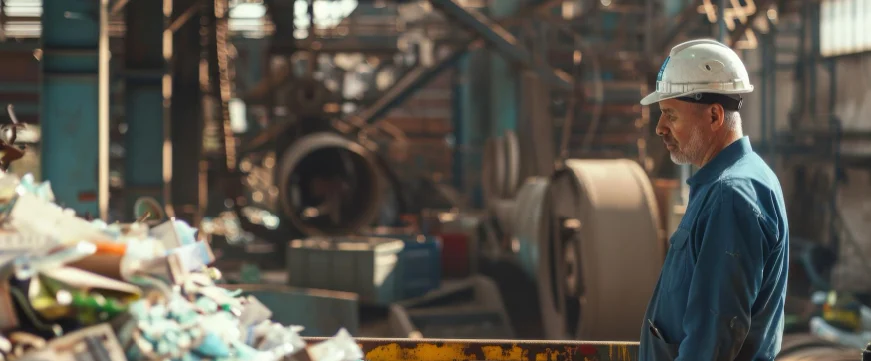
The manufacturing industry is entering a new era where sustainability, efficiency, and resource conservation are just as important as productivity and innovation. As global demand for industrial products continues to rise, manufacturers are under increasing pressure to reduce waste, lower environmental impact, and use resources more responsibly. In this changing landscape, reprocessed industrial materials have emerged as a practical and sustainable solution for modern manufacturing.
Reprocessed materials are created by recovering, recycling, and refining used industrial resources into high-quality raw materials that can be used again in production. From plastics and polymers to metals and other industrial materials, recycling is helping businesses reduce their dependence on virgin resources while maintaining consistent product quality. Shreeram Polymers is proud to support this transformation by providing premium reprocessed polymer solutions that enable manufacturers to build a more sustainable and efficient future.
Understanding Reprocessed Industrial Materials
Reprocessed industrial materials are produced by collecting discarded or post-industrial materials, processing them through advanced recycling technologies, and converting them into reusable raw materials. In the polymer industry, this process involves sorting, cleaning, melting, filtering, and converting plastic waste into high-quality reprocessed polymer granules.
Modern recycling systems ensure that these materials meet strict quality standards, making them suitable for a wide variety of manufacturing applications. As technology continues to improve, reprocessed materials are becoming an increasingly reliable alternative to virgin raw materials.
Supporting Sustainable Manufacturing
Sustainability has become a core business objective for manufacturers worldwide. Customers, investors, and governments are encouraging industries to reduce waste and minimize their environmental footprint.
Reprocessed industrial materials support these goals by reducing the need for newly extracted resources. Every kilogram of recycled material used in manufacturing helps conserve natural resources while reducing waste generation.By integrating reprocessed materials into production processes, manufacturers can contribute to a more sustainable industrial ecosystem without compromising operational efficiency.
Reducing Dependence on Virgin Raw Materials
Virgin raw materials require significant natural resources, energy, and processing before they can be used in manufacturing. As demand for industrial products grows, relying solely on new raw materials becomes increasingly challenging.
Reprocessed materials provide manufacturers with a dependable alternative. Instead of extracting new resources, businesses can reuse existing materials that have been recovered through recycling systems.Shreeram Polymers helps manufacturers reduce their dependence on virgin plastics by supplying high-quality reprocessed polymer solutions designed for modern industrial applications.
Improving Resource Efficiency
Resource efficiency is becoming one of the biggest priorities in manufacturing. Companies are looking for ways to maximize material utilization while reducing waste and production costs.Reprocessed industrial materials help achieve this by extending the lifecycle of valuable resources. Materials that were once considered waste can now be recovered and reused multiple times.
This efficient use of resources supports long-term sustainability while improving overall manufacturing performance.
Lowering Environmental Impact
Manufacturing activities often have a significant impact on the environment through resource extraction, waste generation, and emissions. Reprocessed materials help reduce these impacts by supporting recycling and waste recovery.
Instead of sending valuable industrial materials to landfills, recycling systems convert them into reusable raw materials. This reduces pollution, conserves natural resources, and supports cleaner industrial operations.Using recycled polymers also helps manufacturers move toward environmentally responsible production practices that align with global sustainability goals.
Supporting the Circular Economy
The circular economy is changing how industries think about materials and production. Rather than following the traditional linear model of producing, using, and disposing, circular manufacturing keeps materials in continuous use through recycling and recovery.
Reprocessed industrial materials are central to this model. They enable businesses to recover value from waste and reintroduce those materials into the production cycle. This approach reduces waste, improves material efficiency, and creates a more resilient manufacturing system.
Technological Advancements Are Driving Quality
One of the reasons reprocessed materials are becoming more popular is the rapid advancement of recycling technology. Modern equipment can accurately sort materials, remove contaminants, and process them into high-quality recycled products.
Quality testing and advanced processing methods ensure that reprocessed polymers meet industrial standards for consistency, durability, and performance. These improvements have increased confidence among manufacturers, making recycled materials suitable for a broader range of industrial applications.
Wide Applications Across Industries
Reprocessed industrial materials are now used in numerous sectors, including packaging, automotive, construction, agriculture, consumer goods, and infrastructure. Reprocessed polymers are particularly valuable because of their versatility. They are used in the production of pipes, containers, packaging films, household products, industrial components, and various engineering applications.
As recycling technologies continue to improve, the number of applications for reprocessed materials will continue to expand.
Strengthening Business Reputation
Modern consumers and business partners increasingly value companies that demonstrate environmental responsibility. Manufacturers that use recycled materials show a commitment to sustainable business practices and responsible resource management.
Adopting reprocessed industrial materials helps businesses strengthen their brand image, improve customer trust, and attract environmentally conscious clients.For many companies, sustainability is no longer just a compliance requirement—it has become a competitive advantage.
Future Outlook for Manufacturing
The future of manufacturing will be shaped by innovation, sustainability, and efficient resource utilization. Reprocessed industrial materials will become even more important as industries continue to focus on reducing waste and improving environmental performance.
Growing investments in recycling infrastructure, advancements in material science, and increased awareness of circular manufacturing will accelerate the adoption of recycled materials across industries.Companies that embrace these changes today will be better positioned for long-term growth and success in an increasingly sustainability-driven market.
Conclusion
Reprocessed industrial materials are becoming a cornerstone of future manufacturing because they offer an effective balance between sustainability, performance, and cost efficiency. By reducing waste, conserving natural resources, improving resource efficiency, and supporting the circular economy, these materials are transforming how industries operate.
Shreeram Polymers is committed to helping manufacturers achieve their sustainability goals by providing high-quality reprocessed polymer solutions that meet the demands of modern industry. As manufacturing continues to evolve, reprocessed industrial materials will play a vital role in building a cleaner, smarter, and more sustainable future for businesses across India and around the world.